Home › Ingredients › Whey protein concentrate
Protein
Whey protein concentrate
—
Evidence: Strong
Vegan: No

Whey protein concentrate: what it is, dose and safety

By Lovely Malhotra · Not medical advice
Whey protein concentrate (WPC) is milk whey filtered to about 70–80% protein. It keeps a little lactose and fat, which makes it creamier and cheaper than isolate. It is the base of most everyday whey powders in India.
70–80%
protein by weight
Fast
digestion
Some
lactose and fat
Leucine-rich
muscle building
1 scoop
typical daily use

At a glance

TypeMilk protein
Protein70–80% by weight
LactoseSmall amount
FatSmall amount
Typical use1 scoop (20–25 g protein)
DigestsFast
Rich inLeucine
Found inMost everyday whey powders

Key takeaways

Whey protein concentrate, explained simply

What is whey protein concentrate?

When milk is made into cheese, the liquid left over is whey. Filtering that liquid and drying it gives a powder that is about 70–80% protein.

Concentrate vs isolate: which is better?

Isolate is filtered more, reaching 90%+ protein with almost no lactose or fat. Concentrate is less pure but cheaper; for most people it does the job.

How much whey should I take?

Most people use 1 scoop (about 20–25 g protein) a day to fill the gap between food and their protein target. Food comes first.

Does it have side effects?

Healthy adults usually tolerate it well. Gas or bloating can come from lactose or sweeteners. People with kidney disease should ask their doctor first.

Whey protein concentrate, explained in full

Whey protein concentrate (WPC) is the most common form of whey. It is made by filtering the liquid left over from cheese and paneer making, then drying it into powder. Most concentrates are 70–80% protein, with the rest being lactose (milk sugar), fat and minerals.

How it works

Whey is a complete protein: it has all 9 essential amino acids and is rich in leucine, the amino acid that switches on muscle building. It digests quickly, which is why it is popular after training. See how it compares with whey protein isolate in our concentrate vs isolate guide.

What research shows

Whey helps build and keep muscle when you train and eat enough total protein. It has no special effect beyond adding protein to your day; a scoop of whey and a plate of paneer do the same job gram for gram.

How to take it

  • Work out your daily target with the protein intake calculator.
  • Use 1 scoop (about 20–25 g protein) only when food falls short.
  • Any time of day works; after training is convenient.

Indian food sources of the same protein

Milk, curd, paneer and chhena all contain whey and casein proteins naturally.

Safety

Safe for healthy adults. People with lactose intolerance may get gas or bloating and may prefer an isolate. Fake and protein-spiked tubs are common in India, so read how to spot fake whey protein.

Browse whey protein products or compare value with the protein cost calculator.

Products with Whey protein concentrate

MuscleBlaze Biozyme Performance Whey
Whey proteinWPS 8.2
MuscleBlaze Biozyme Performance Whey
25 g protein per 36 g scoop
MuscleBlaze Raw Whey Protein 80%
Whey proteinWPS 7.7
MuscleBlaze Raw Whey Protein 80%
24 g protein per 30 g scoop
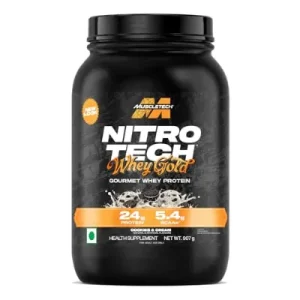
MuscleTech Nitro-Tech Whey Gold
Whey protein
MuscleTech Nitro-Tech Whey Gold
24 g protein per 33 g scoop
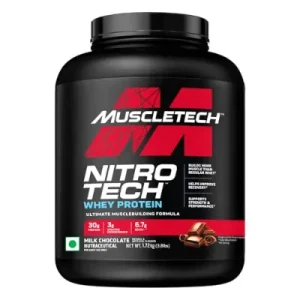
MuscleTech Nitro-Tech Whey Protein
Whey protein
MuscleTech Nitro-Tech Whey Protein
30 g protein per 45 g scoop
[photo]
Whey protein
Myprotein Impact Whey Protein
22.3 g protein per 30 g scoop
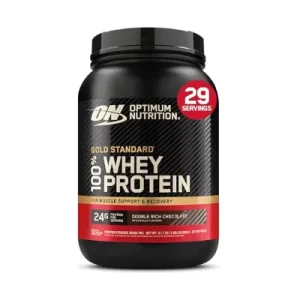
Optimum Nutrition Gold Standard 100% Whey
Whey protein
Optimum Nutrition Gold Standard 100% Whey
24 g protein per 30.4 g scoop
Stealth Supps Amped Whey Protein pack
Whey protein
Stealth Supps Amped Whey Protein
24 g protein per serving

FAQs

When milk is made into cheese, the liquid left over is whey. Filtering that liquid and drying it gives a powder that is about 70–80% protein.
Isolate is filtered more, reaching 90%+ protein with almost no lactose or fat. Concentrate is less pure but cheaper; for most people it does the job.
Most people use 1 scoop (about 20–25 g protein) a day to fill the gap between food and their protein target. Food comes first.
Sources: Add 1–2 sources (verify). Information only, not medical advice.