Glutamine is the most common amino acid in your body. It makes up a large share of the free amino acids in your blood and muscles, and some of your busiest cells, in the gut and immune system, use it as their main fuel. That is why glutamine powder became a gym staple, sold for recovery, immunity and muscle growth.
The research tells a more modest story. Your body makes plenty of glutamine, and for healthy people who eat enough protein, extra powder does little. Where glutamine really matters is in serious illness, burns and major surgery. This guide explains the difference.
What is glutamine?
Glutamine is an amino acid with two nitrogen atoms, which makes it a handy way for the body to move nitrogen between tissues. Muscles make most of it and release it into the blood for the gut, kidneys, liver and immune cells to use.
- Type: conditionally essential amino acid
- Made from: glutamate (glutamic acid) and ammonia, mainly in muscle
- Main jobs: fuel for gut and immune cells, nitrogen transport, acid-base balance
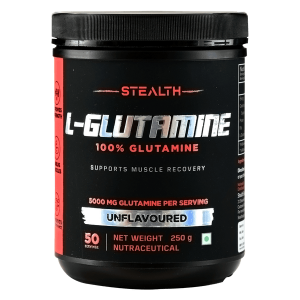
- Common dose: 5 g a day in supplements
See where glutamine sits with the other amino acids in our amino acids guide.
Why it is “conditionally essential”
Healthy people make all the glutamine they need. But during severe stress, such as major surgery, burns, sepsis or serious injury, the body uses glutamine faster than it can make it, and blood levels drop. In those cases, doctors may give glutamine as part of medical nutrition.
What glutamine does in your body
Fuel for the gut
The cells lining your small intestine burn glutamine for energy. It helps them renew quickly and keep the gut wall tight, which stops germs and toxins from leaking through.
Immune support
White blood cells use glutamine to multiply and fight infection. Low glutamine during severe illness may weaken immunity.
Moving nitrogen and clearing ammonia
Glutamine safely carries nitrogen from muscles to the liver and kidneys, where it is turned into urea or used to balance the body’s acid levels.
Building other molecules
Glutamine is used to make other amino acids, glutathione (via glutamate) and the building blocks of DNA.
How much glutamine do you get from food?
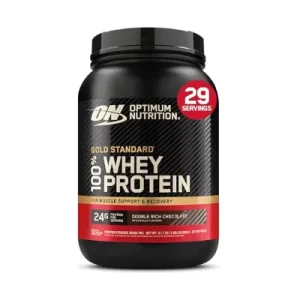
A typical diet gives roughly 3 to 6 g a day, and the body makes much more, possibly 40 to 80 g a day. Protein-rich foods are the best sources. A scoop of whey protein naturally contains a few grams of glutamine and glutamate.
Best Indian food sources of glutamine
Vegetarian and vegan
- Paneer, curd, milk and cheese
- Soy chunks, tofu and soy milk
- Dals, rajma and chana
- Wheat and other grains
- Cabbage and spinach (small amounts)
Non-vegetarian
- Eggs
- Chicken, fish and mutton
- Whey and casein protein
Glutamine and muscle: does it help?
Glutamine was marketed for years as a muscle-building and recovery supplement. The theory made sense: muscles store a lot of it, and levels drop after hard exercise.
But studies in healthy people who lift weights found that adding glutamine didn’t increase muscle size, strength or recovery compared with a placebo. A few studies suggest it might slightly reduce soreness, but the effect is small and not consistent.
If your goal is muscle, total protein and leucine-rich foods matter far more. A scoop of whey or an EAA drink is a better use of your money than glutamine powder. Use the protein calculator to find your daily target.
Glutamine and gut health
Because gut cells use glutamine for fuel, it has been studied for gut problems:
- Leaky gut: some small studies found glutamine reduced gut permeability, for example after intense exercise in heat. More research is needed.
- IBS: one trial found glutamine helped people whose IBS started after an infection. Results in other types of IBS are unclear.
- Cancer treatment: glutamine has been studied for mouth sores and gut damage from chemotherapy, with mixed results. Only use it under your oncologist’s guidance.
Glutamine in serious illness
In burns and major trauma, glutamine-enriched nutrition has been linked with fewer infections in some studies. In critically ill patients in intensive care, however, a large trial found high-dose glutamine increased deaths in some groups. So glutamine in illness is a medical decision, not a home remedy.
Dosage
Supplement doses are usually 5 g once or twice a day, mixed in water or a shake. Timing doesn’t matter much. Glutamine powder is nearly tasteless and dissolves easily. Doses up to about 20 to 30 g a day have been used in studies, but there’s no reason for healthy people to go that high.
Safety and side effects
Glutamine is generally safe for healthy adults at normal doses. Some people get bloating, nausea or mild stomach discomfort.
Be careful if you:
- Have liver disease, especially with confusion (hepatic encephalopathy), as glutamine can raise ammonia.
- Have had seizures or take seizure medicines.
- Have bipolar disorder, as there are rare reports of mania.
- Have kidney disease.
- Have or are being treated for cancer. Some tumours use glutamine as fuel, so talk to your oncologist first.
- Are pregnant or breastfeeding.
Glutamine vs glutamic acid
They sound alike and are closely linked, but they are different. Glutamic acid (glutamate) is the amino acid behind umami taste and MSG. Glutamine is made from glutamate by adding ammonia. Your body switches between them easily.
Frequently asked questions
Does glutamine help recovery after workouts?
Evidence is weak. Sleep, total protein and smart training matter much more.
Does glutamine boost immunity?
In healthy people, there’s no good evidence it prevents colds. In serious illness, doctors may use it.
Can glutamine reduce sugar cravings?
This is a popular claim online, but there’s no good research to support it.
Is glutamine safe for teenagers?
Teenagers who eat enough protein don’t need it. Food is the better choice.
Should I take glutamine with whey?
No need. Whey already contains glutamine.
Is L-glutamine vegan?
Yes, it is usually made by fermentation.
Related
Read about arginine, the muscle switch leucine, all-in-one EAAs, or go back to the full list of amino acids.