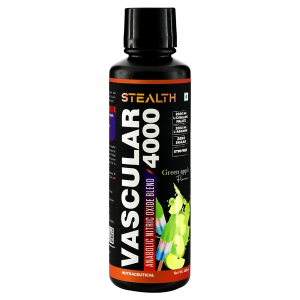
L-arginine is the amino acid behind the “pump” promise on many pre-workout tubs. Your body uses it to make nitric oxide, a gas that relaxes blood vessels and lets more blood flow through. That’s why arginine is linked with workouts, blood pressure and erectile function.
The catch is that arginine supplements don’t work as well as the labels suggest, mainly because your gut and liver break down a lot of it before it reaches the blood. This guide explains what arginine does, where you get it, what the research really shows, and why citrulline is often the smarter buy.
What is arginine?
Arginine is an amino acid that healthy adults can make, mainly from citrulline in the kidneys. During growth, illness, injury or severe stress, the body may not make enough, so it is called conditionally essential.
- Type: conditionally essential amino acid
- Made from: citrulline
- Main jobs: nitric oxide, urea cycle (clearing ammonia), creatine, wound healing, immunity
- Supplement forms: L-arginine, arginine HCl, AAKG (arginine alpha-ketoglutarate)
See where arginine fits among all 20 amino acids in our amino acids guide.
What arginine does in your body
Nitric oxide and blood flow
Cells lining your blood vessels turn arginine into nitric oxide. Nitric oxide tells the muscle in the vessel walls to relax, which widens the vessels and lowers resistance to blood flow. This affects blood pressure, circulation to muscles during exercise, and erections.
Clearing ammonia
When your body breaks down protein, it produces ammonia, which is toxic. The liver turns it into urea through the urea cycle, and arginine is a key part of that cycle.
Creatine
Arginine, glycine and methionine are used to make creatine in the body.
Healing and immunity
Arginine supports immune cells and collagen building. Hospital nutrition formulas for burns, wounds and surgery often add arginine along with omega-3s and nucleotides.
How much arginine do you get from food?
A typical diet gives about 4 to 6 g of arginine a day, and the body makes more. There is no official daily requirement for healthy adults.
Best Indian food sources of arginine
Vegetarian and vegan
- Peanuts and peanut butter
- Pumpkin seeds, sesame seeds, watermelon seeds (magaz)
- Almonds, cashews, walnuts
- Soy chunks and tofu
- Chana, rajma, moong and other dals
- Paneer and milk (smaller amounts)
Non-vegetarian
- Chicken and turkey
- Fish and prawns
- Eggs and mutton
Watermelon is also rich in citrulline, which the body turns into arginine.
Why arginine supplements underdeliver
When you swallow arginine, a large share is broken down by an enzyme called arginase in your gut and liver before it reaches your bloodstream. Studies suggest only around 20 to 40% makes it through. Citrulline avoids this. It passes the gut and liver largely intact and is then converted to arginine in the kidneys. As a result, citrulline raises blood arginine more than the same dose of arginine itself.
Arginine and exercise: what research says
- Pump and blood flow: in healthy, trained people, arginine supplements usually don’t raise nitric oxide much, because their blood vessels already work well.
- Performance: a few studies found small benefits, mostly in untrained or older people. Many found none.
- Muscle growth: no good evidence that arginine builds muscle.
For a better-supported pump ingredient, read our citrulline malate guide. For proven pre-workout benefits, caffeine, creatine and beta-alanine have more evidence. You can compare formulas in pre-workout products.
Other uses that have been studied
- Blood pressure: reviews found arginine lowered blood pressure slightly in some people. It is not a replacement for medicine.
- Erectile dysfunction: some studies show modest benefit in mild cases, especially combined with other ingredients. See a doctor, because ED can be an early sign of heart disease.
- Pregnancy: arginine has been studied under medical care for some pregnancy complications. Don’t self-treat.
- Wound healing: arginine-enriched formulas may help pressure sores and surgical recovery under medical supervision.
- Cold sores: arginine may help the herpes virus multiply, which is why people prone to cold sores sometimes avoid supplements. See our lysine guide.
Dosage
Common supplement doses are 3 to 6 g a day, sometimes split into two doses. Pre-workout use is usually 3 to 6 g about 30 to 60 minutes before training. If you choose citrulline instead, typical doses are 6 to 8 g of citrulline malate or 3 to 5 g of L-citrulline.
Safety and side effects
Arginine from food is safe. Supplements can cause stomach cramps, bloating, nausea and diarrhoea, especially above about 9 g at once.
Avoid arginine supplements or ask a doctor first if you:
- Have had a heart attack. One study found arginine was linked with more deaths after a heart attack.
- Take blood-pressure medicines, nitrates or ED drugs like sildenafil, as blood pressure may drop too low.
- Get frequent cold sores or genital herpes.
- Have asthma or allergies, since arginine may worsen airway inflammation in some people.
- Have kidney or liver disease.
- Have diabetes and take medicines that lower blood sugar.
- Are pregnant or breastfeeding, unless a doctor recommends it.
Arginine vs AAKG vs arginine HCl
AAKG is arginine bound to alpha-ketoglutarate. It was marketed as better absorbed, but there’s little evidence it beats plain arginine. Arginine HCl dissolves well and is often cheaper per gram of arginine. None of them get around the absorption problem as well as citrulline does.
Frequently asked questions
Is arginine better than citrulline?
For raising blood arginine and nitric oxide, citrulline usually does better at the same dose.
Does arginine increase growth hormone?
Large doses can raise growth hormone briefly at rest, but exercise raises it more, and the combination doesn’t seem to add up. It doesn’t lead to more muscle.
Can women take arginine?
Yes, at the same doses, except during pregnancy unless a doctor advises it.
Is arginine good for the heart?
It may lower blood pressure a little in some people, but it isn’t safe after a heart attack. Discuss with your cardiologist.
Is arginine vegan?
Most L-arginine is made by fermentation and is vegan.
Does arginine help hair growth?
There’s no good evidence. Some hair products include it, but results aren’t proven.
Related
Read about citrulline malate, glutamine, lysine (which competes with arginine), or go back to the full list of amino acids.